Navigating the Need for Multifamily Housing
California’s housing crisis has placed unprecedented pressure on cities like Santa Barbara, Carpinteria, and Ventura to expand multifamily residential development. Yet within this challenge lies an extraordinary opportunity: to shape thoughtful, enduring communities that elevate the experience of living while strengthening the urban fabric of our coastal cities.
Designing for Growth with Purpose
At DMHA, we believe housing is more than a response to demand — it is an opportunity to create places that foster connection, sustainability, and a sense of belonging. For years, our team has been committed to designing multifamily communities that thoughtfully integrate with their surroundings while addressing the urgent need for new housing throughout California’s Central Coast.
In 2026 alone, more than 70 new residential units across three DMHA projects — 825 De La Vina, Alena on Haley Street, and Rincon Residences — are entering the Santa Barbara County housing market. An additional 25 units have been entitled along Milpas Street, while Bella Vita in Ventura continues construction on 52 new residences designed for resiliency and long-term community vitality.
Though each project reflects its own architectural language and contextual response, they are united by a common philosophy: reinvesting in existing urban infrastructure and creating vibrant, walkable neighborhoods where daily life unfolds naturally. By concentrating housing near parks, transit corridors, shops, restaurants, and commercial centers, these developments reduce dependence on vehicles, support local economies, and cultivate healthier, more connected communities.
825 De La Vina
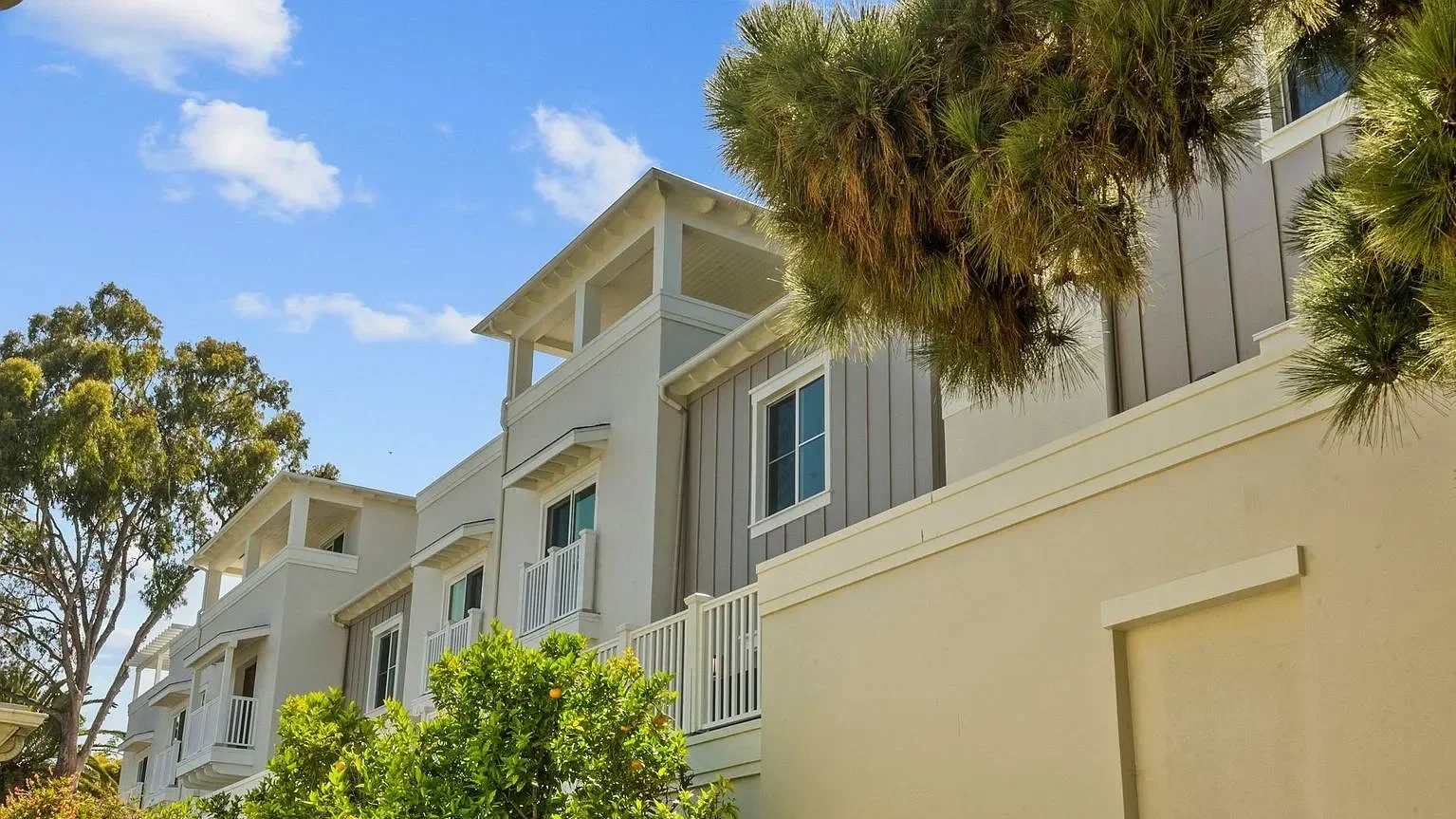
Perched between the Riviera and the Pacific Ocean, 825 De La Vina introduces 21 thoughtfully designed residences to downtown Santa Barbara. Rooftop terraces, open communal spaces, and proximity to the city’s cultural core create a distinctly urban yet relaxed coastal lifestyle.
The architecture responds carefully to the eclectic surrounding streetscape — a layered blend of Victorian, Spanish Colonial, Transitional, and Craftsman influences. Rather than dominate its context, the building adopts a refined and understated architectural presence, allowing proportion, materiality, and rhythm to quietly enrich the neighborhood fabric. As residents begin to inhabit the spaces, the project evolves from architecture into community — from apartments into homes.
Alena on Haley Street
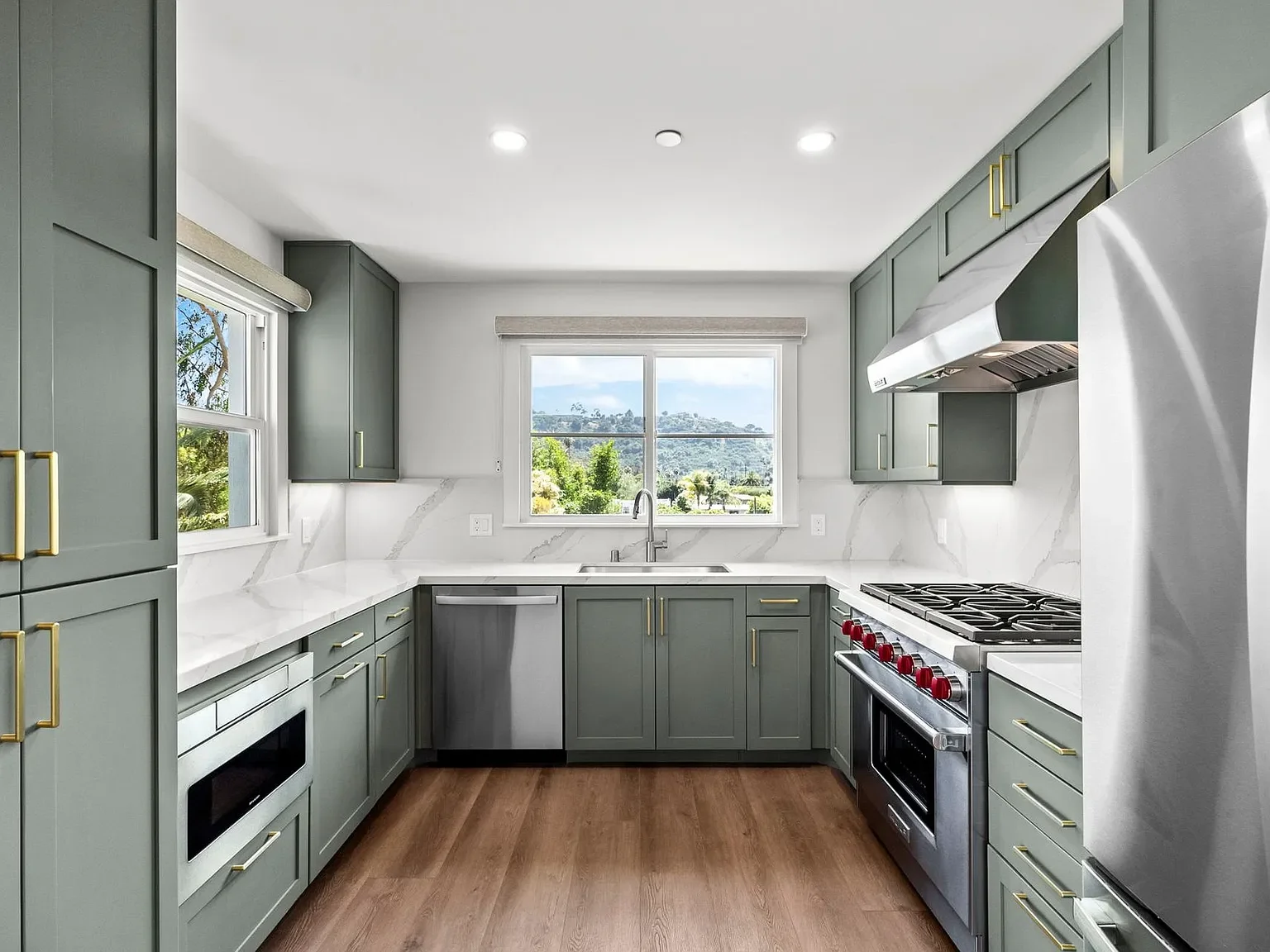
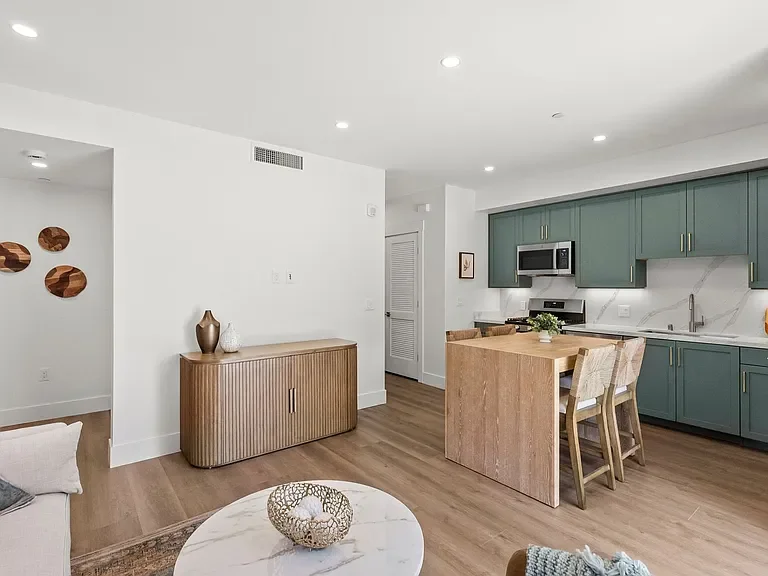
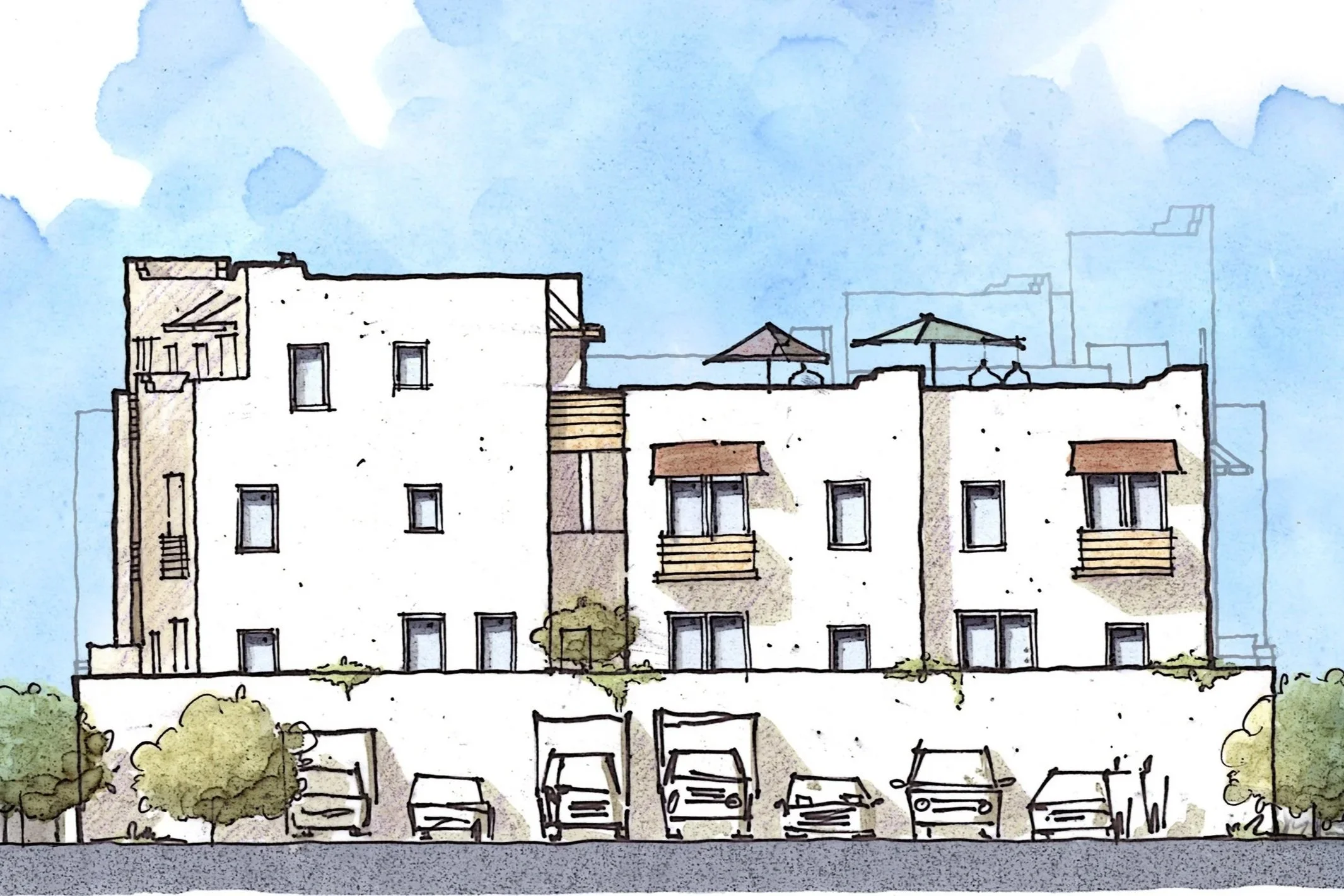
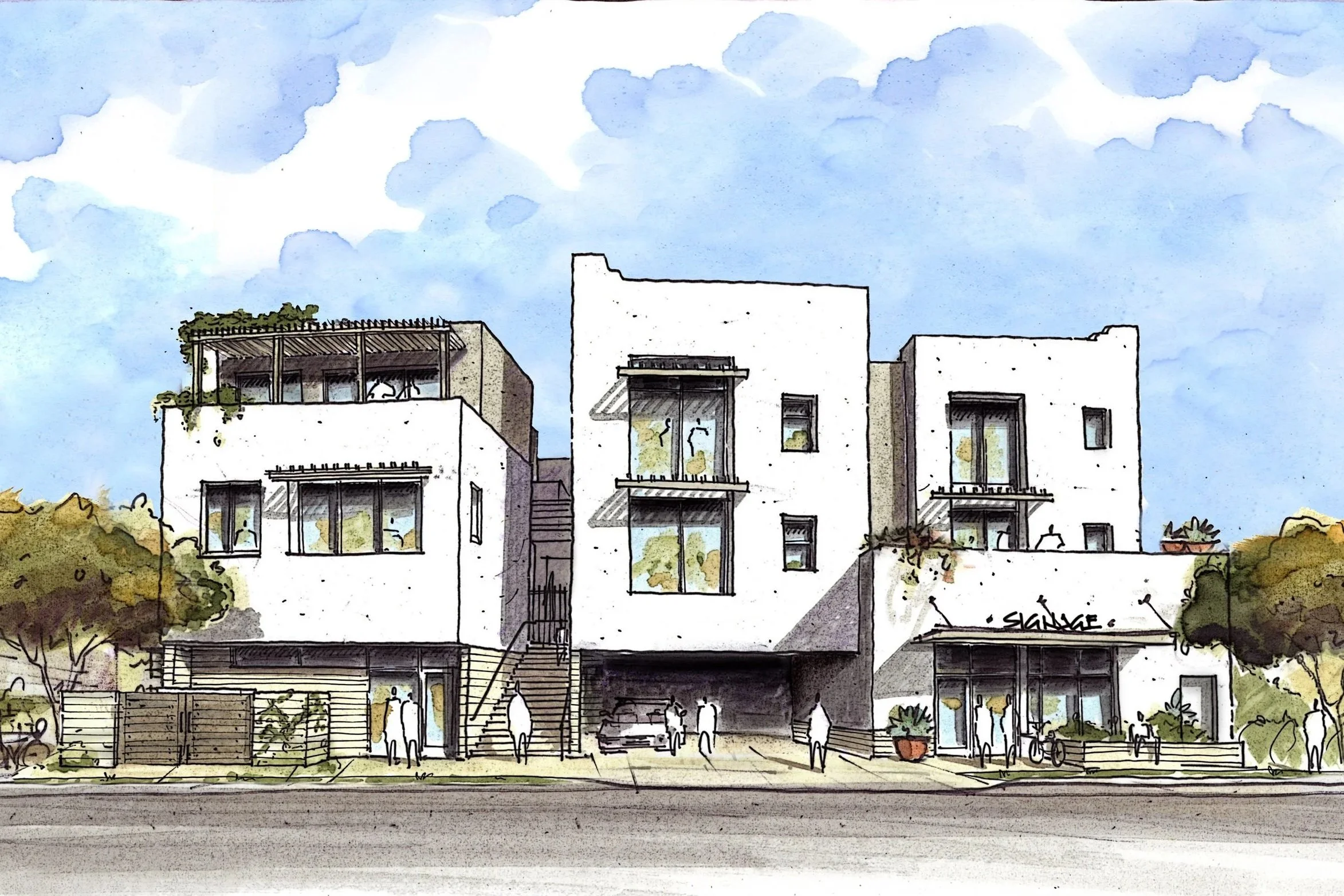
Situated along the dynamic Haley Street corridor, Alena on Haley brings 24 new apartments and two ground-floor commercial spaces to Santa Barbara’s East Side. Guided by the Milpas/Haley Street Design Guidelines, the project breaks its massing into smaller articulated forms reminiscent of a clustered village, creating a pedestrian-scaled experience that feels both familiar and contemporary.
Traditional architectural proportions are paired with modern detailing and clean forms, achieving a nuanced balance between heritage and progress. Outdoor gathering spaces encourage spontaneous social interaction, while carefully integrated amenities — including secure parking, indoor bicycle storage, and dedicated parcel facilities — support the rhythms of modern urban living with elegance and ease.
Rincon residences
In the heart of Carpinteria, Rincon Residences reimagines higher-density coastal living through a deeply contextual architectural approach. The mixed-use development includes 24 apartments, six boutique hotel rooms, and a ground-floor café, all carefully arranged to create a walkable, neighborhood-oriented environment.
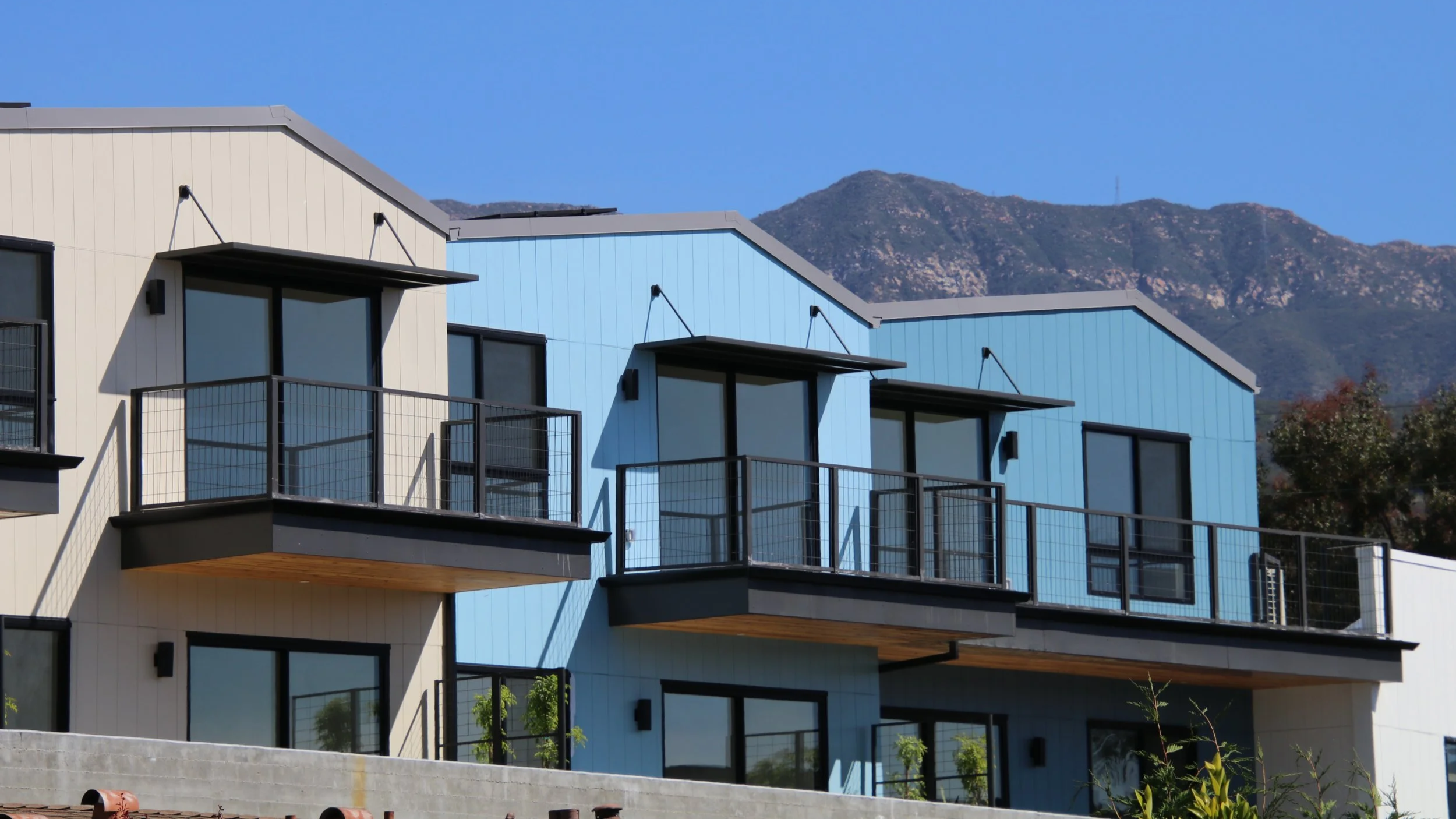
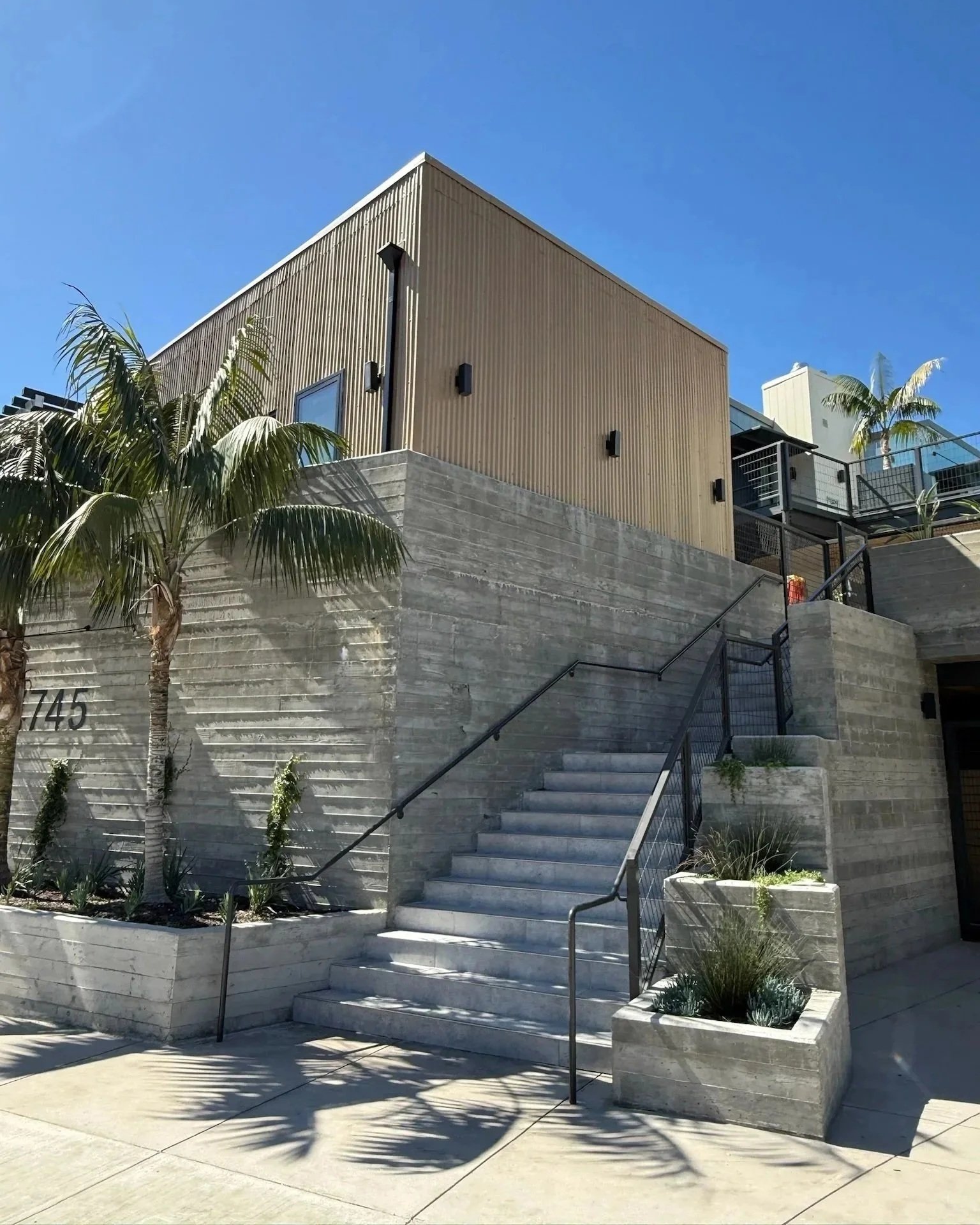
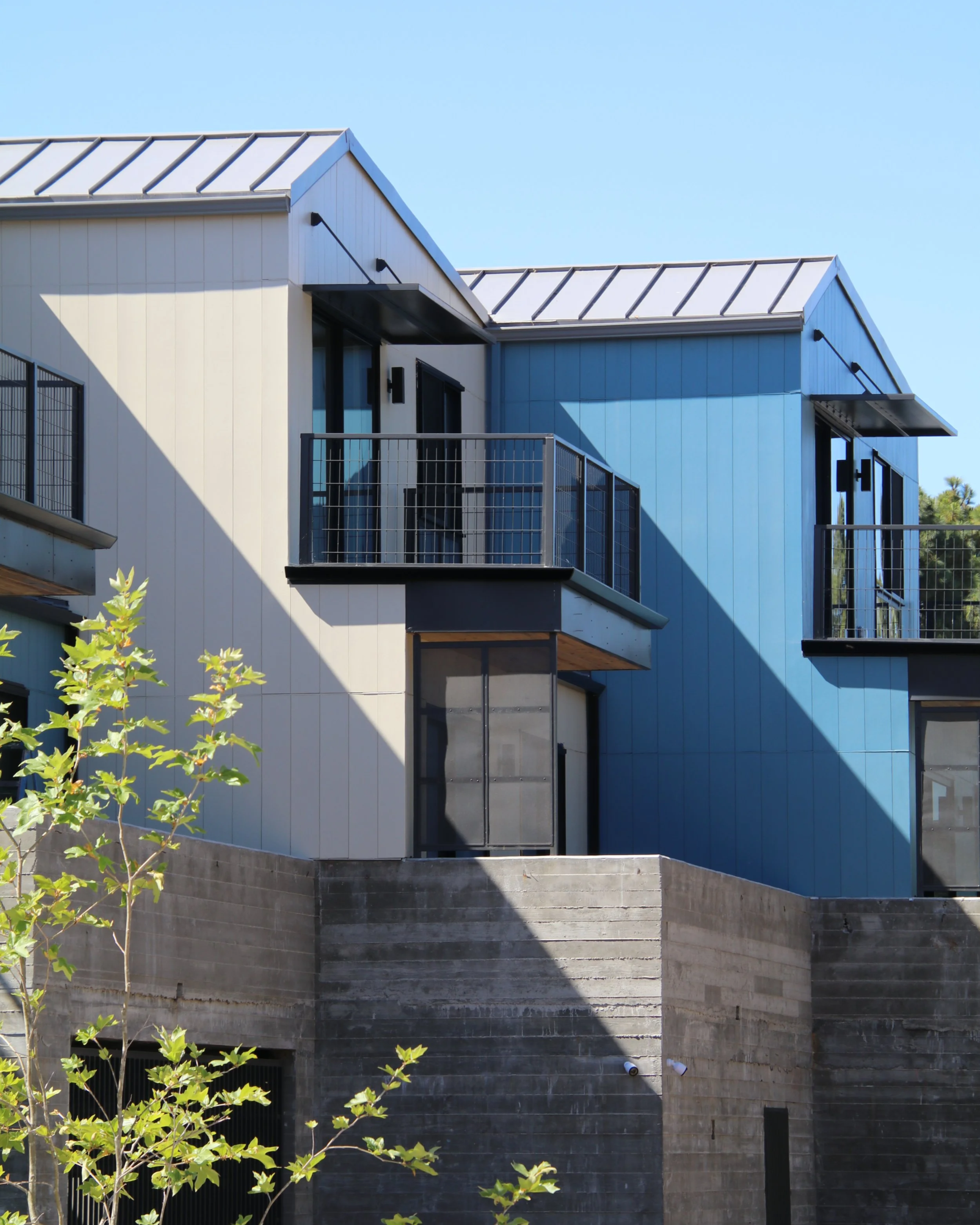
Recognizing the sensitivity of introducing a three-story building into Carpinteria’s intimate small-town character, the design intentionally fragments the massing into varied forms inspired by the city’s historic cottages and bungalows. Along Ninth Street, staggered townhome-style units with pitched roofs, stoops, and warm coastal materials soften the scale of the project and create a residential rhythm along the pedestrian edge.
The architecture carefully negotiates between urbanity and intimacy. A board-formed concrete podium references the horizontal siding traditions found throughout downtown, while curved forms, recessed façades, and layered materials create moments of depth, shadow, and visual texture. Rotated building forms frame mountain views, carve out generous outdoor spaces, and reduce the perceived scale of the development, transforming what was once viewed as an oversized proposal into a project deeply rooted in place and community identity.
Milpas Street Project
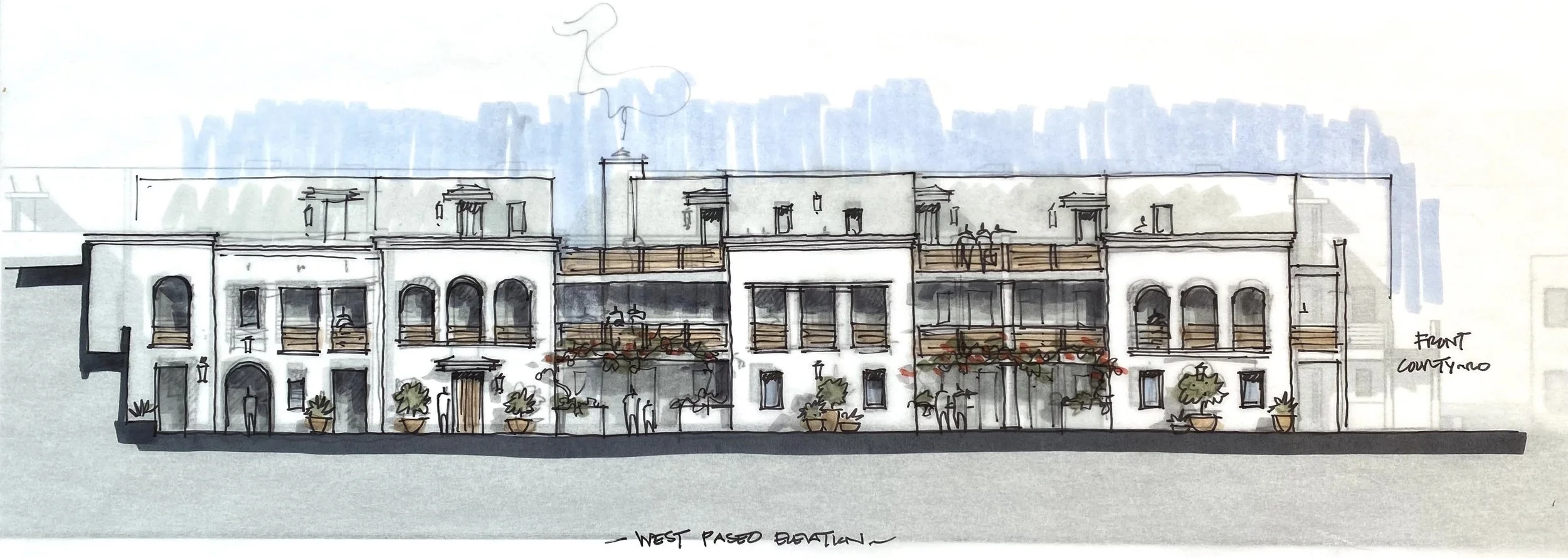
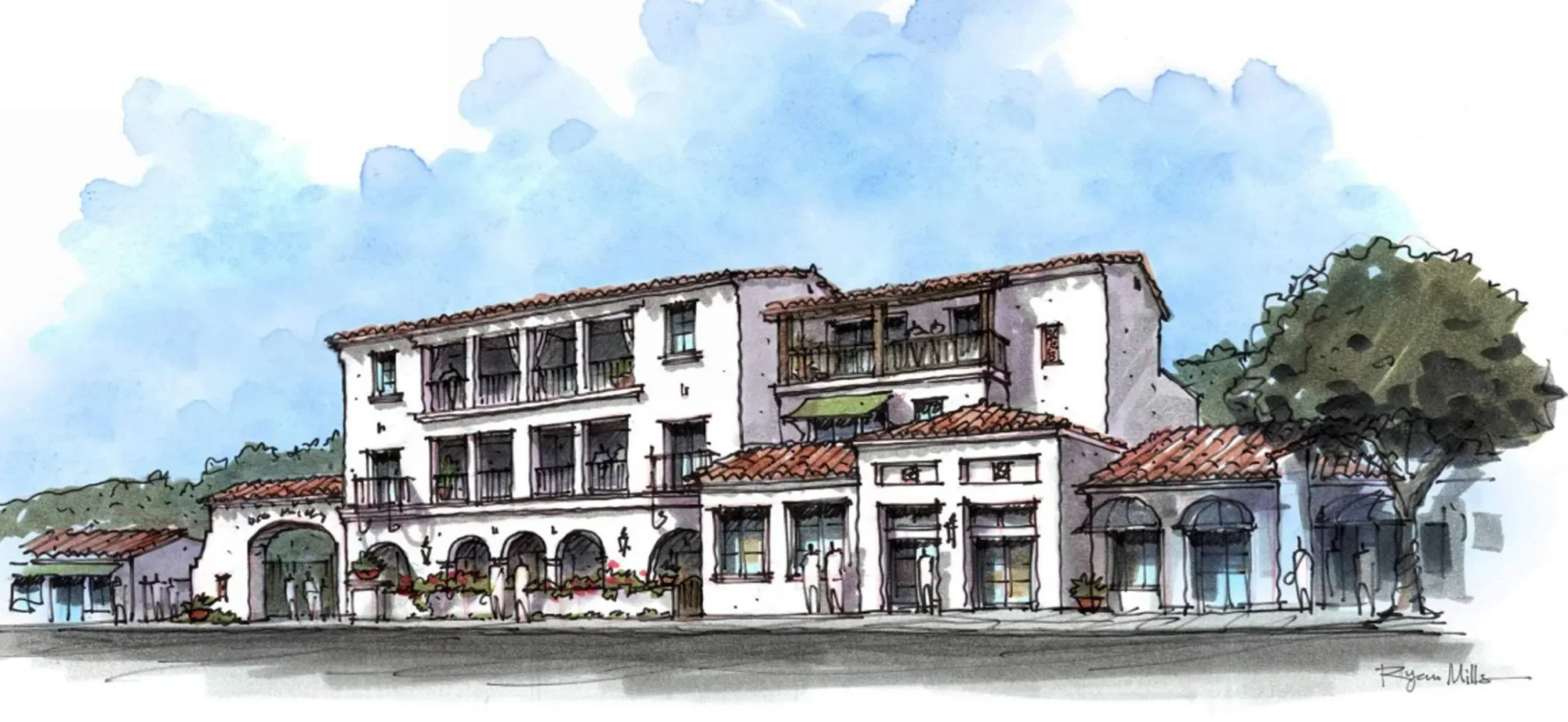
The newly entitled Milpas Street development introduces 25 residences inspired by the enduring traditions of Spanish Colonial architecture. Organized around shared courtyards and communal outdoor spaces, the project embraces the social and climatic patterns intrinsic to Santa Barbara living.
Located near transit corridors, employment centers, and neighborhood amenities, the development reflects a broader vision for housing that supports both accessibility and quality of life — architecture designed not only for density, but for human experience
Bella Vita
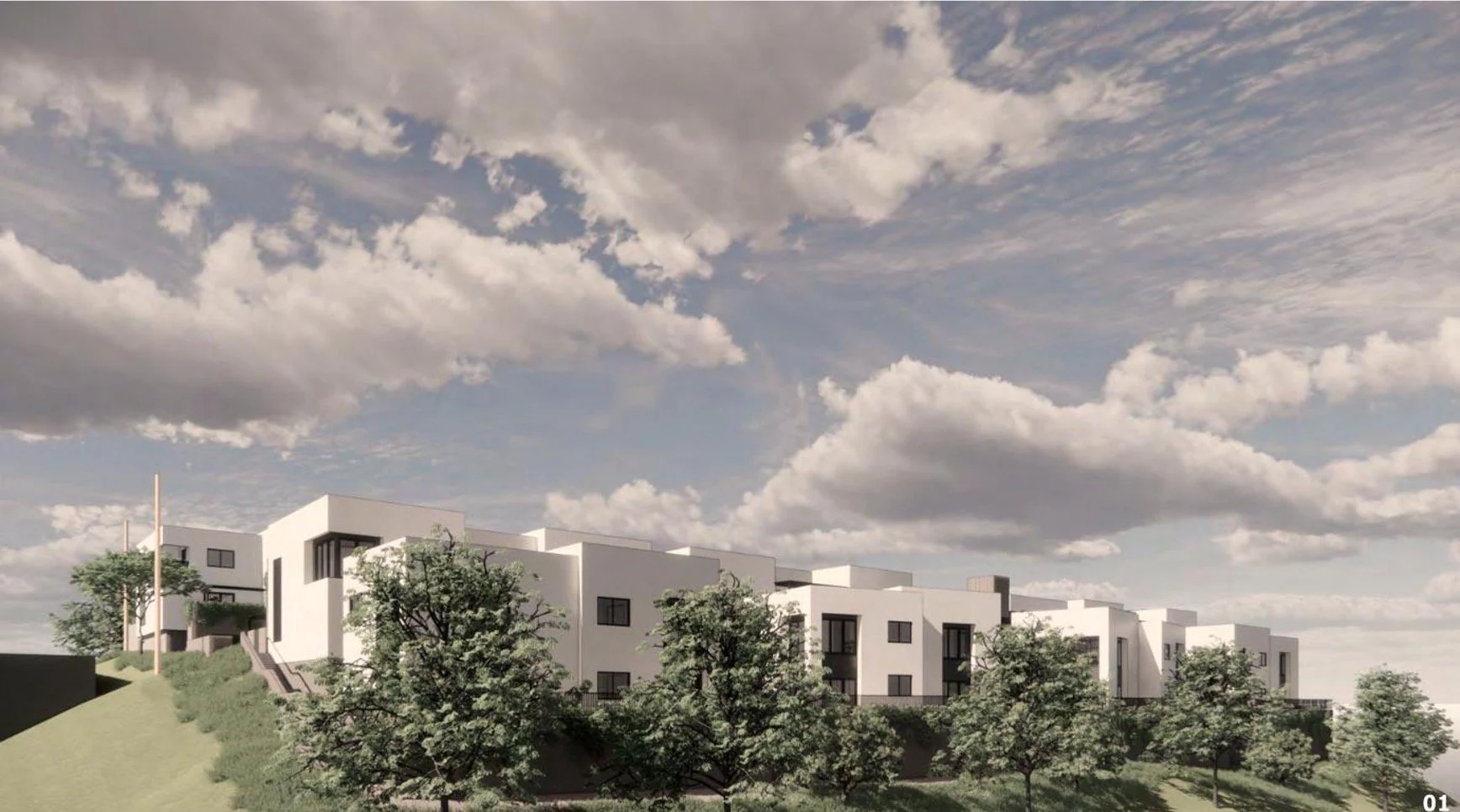
Formerly Hawaiian Village, Bella Vita represents a meaningful act of rebuilding and resilience following the devastation of the Thomas Fire. Working closely with the community in Ventura, DMHA re-envisioned the site as a safer, more resilient residential environment while preserving the warmth and character that defined the original property.
The 52-unit development incorporates fire-resistant construction strategies, tempered glazing, defensible landscaping, and enhanced emergency access throughout the site. Mediterranean-inspired architecture, lush courtyards, and contemporary amenities come together to create a renewed sense of place — one rooted equally in memory, recovery, and optimism for the future.

A Hopeful Path Forward
At DMHA, we believe architecture has the responsibility — and the power — to shape healthier, more resilient communities. Thoughtful multifamily housing can enrich neighborhoods, strengthen social connection, and create lasting environmental benefits when approached with care, sensitivity, and vision.
As California continues to evolve, we remain committed to designing housing that not only meets the demands of growth, but elevates the human experience through beauty, sustainability, and enduring architectural character. Through innovative mixed-use and multifamily design, we see an opportunity not simply to build more housing, but to shape vibrant communities that will thrive for generations to come.